Human greed overpowering animal need
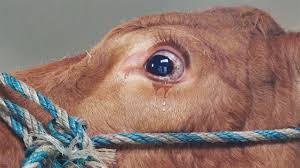
Humankind has exploited almost every thing it could find in the nature. Consumption is a need; overconsumption is an outright violation of nature. Our ancestors knew it, therefore they always tried to take minimum from the nature and live a minimalist and simple life. With the advent of new technologies, our greed grew and now the species extinction rate has skyrocketed to at least a range of 1000X to 10000X. The rate of this mass extinction is higher than the previous naturally occurring mass extinctions on our one and only living planet-Earth.
Animal products are being consumed in larger quantities than ever. Production and consumption of animal products continues to play a major role in the species and habitat extinction- directly as well as indirectly. This involves contributions from the popular and in-demand industries like meat, dairy, fishing, sea -food and poultry to the “hush-hush” illegal trading of animal goods and animal trafficking.
According to the data produced by Hannah Ritchie and Max Roser 1 , alarming trends related to meat production have surfaced. Meat production has experienced a four-fold increase in past 50 years. Asia is the highest producer of meat region-wise; contributing to 40-45 percent of the total meat production. Poultry meat reduction has taken the lead, followed by pig meat and beef subsequently. As of 2019, Australia was the highest consumer of meat with an average consumption of about 126 kg of meat per person in an year, followed by the United States, with an average consumption of nearly 124 kg of meat per person per year. Meat consumption has also shown correlation with high economy. The countries growing in economy have also shown increased consumption of meat. Now we know how we like to abuse the power of money- to exploit animals.
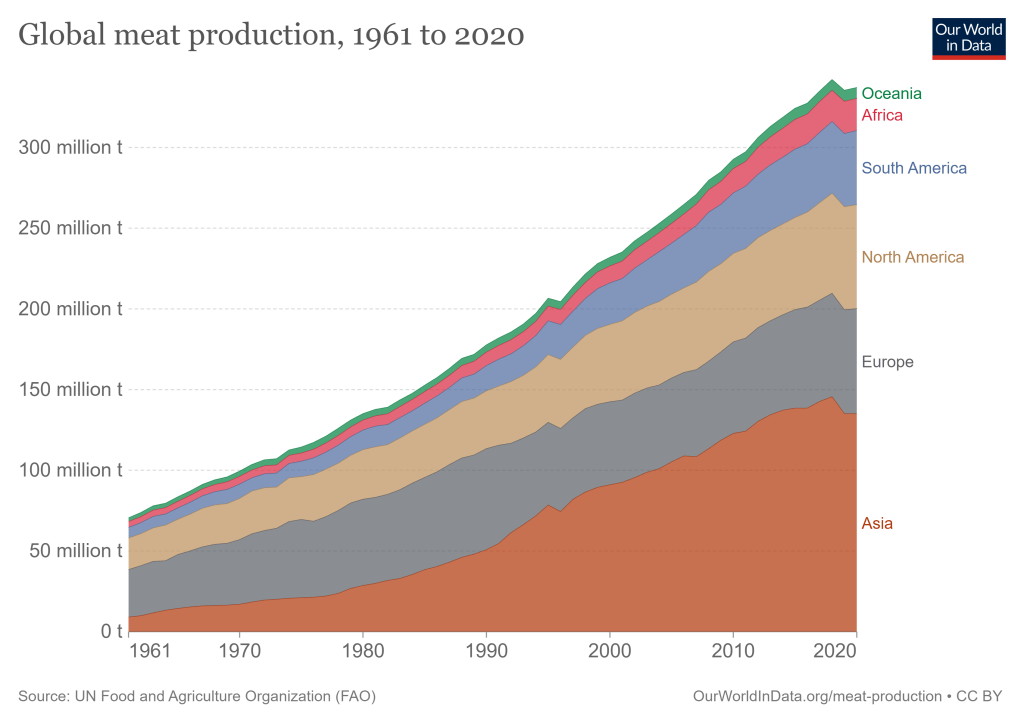
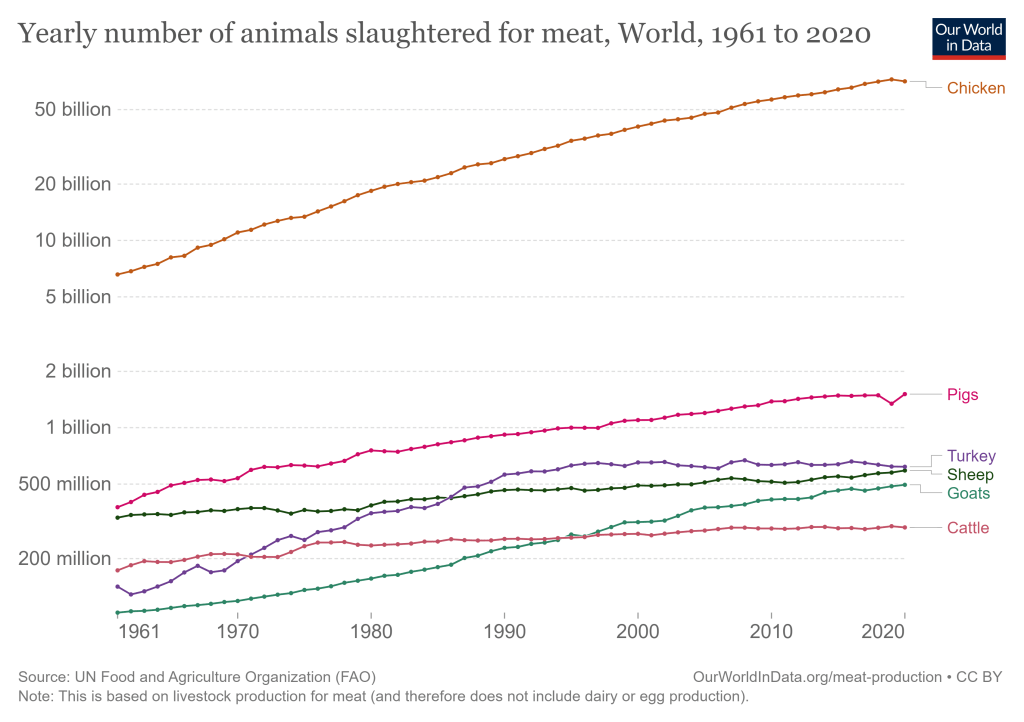

This is the data for the meat consumption. The harm of meat consumption is evident in form of species extinction and green-house gas emissions. It is well known that the natural cycles have been disturbed and we are facing major environmental problems as a result.
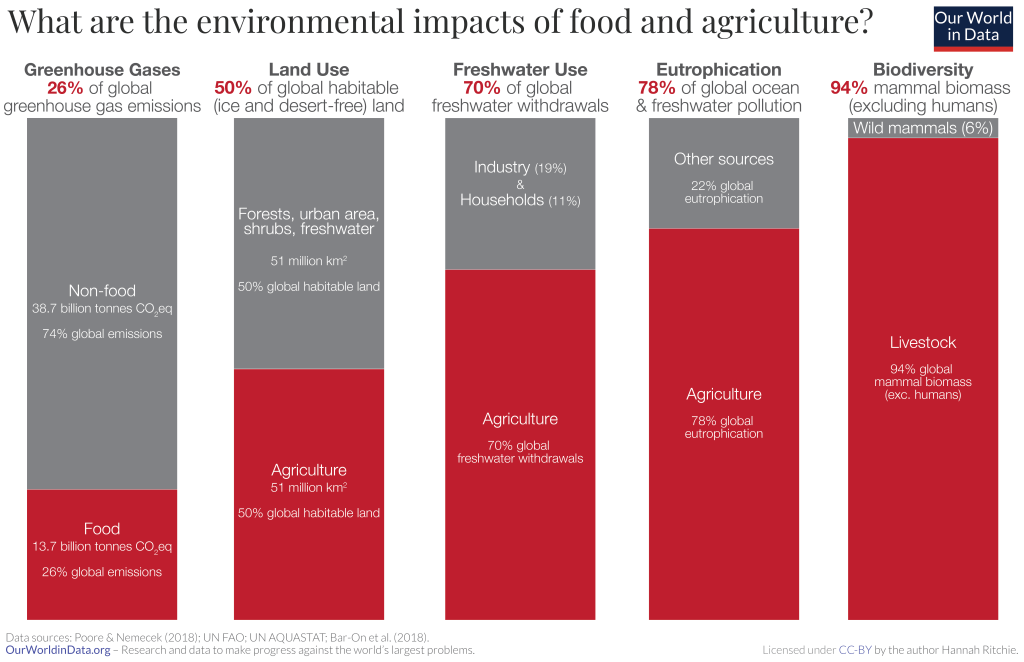
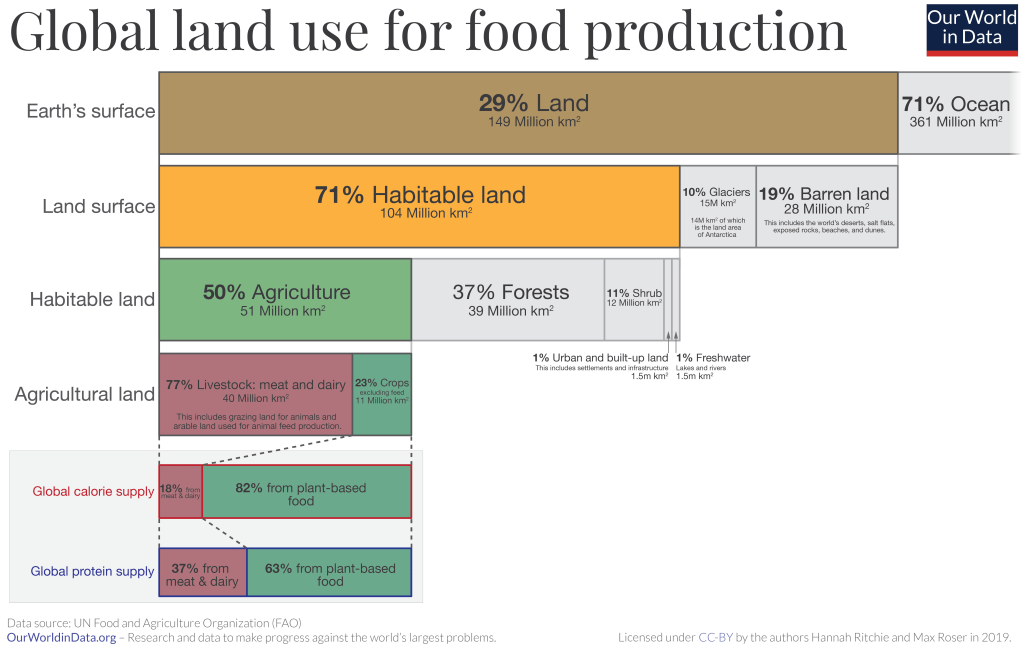
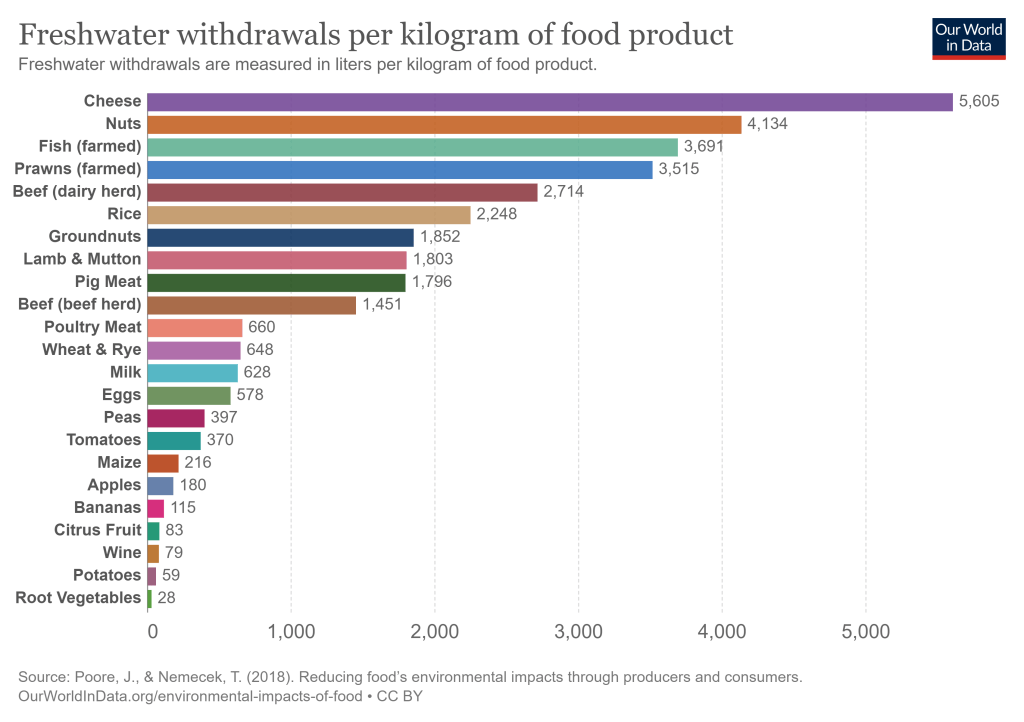
Diving deeper into statistics of food production, the consumption of meat shows disastrous outcomes. Biomass of livestock(cattle, poultry, pig etc.) out of mammals on earth is 94%, which excludes humans. This means that the livestock population outnumbers wild animals by a factor of 15-1. As of 20192, More than 28000 species of animals are nearing extinction, according to the IUCN Red list3, which also lists agriculture and aquaculture as major threats to 24000 of these endangered species1. This might seem as an excuse to the “plant sympathizers” who keep on saying that plants also have life in them, and if meat consumption is detrimental to animal life, then it is for plants too. But the truth is in details. The land and water use by livestock farming is included in agriculture. More than 75 percent of land for agriculture is used for sustenance of livestock. Freshwater usage for just a bunch of meat types equals the production of crops for direct use. Land for agriculture comes by clearing forests, and soon enough we will be devoid of all the natural wealth and will be leaving nothing for our children to cherish.
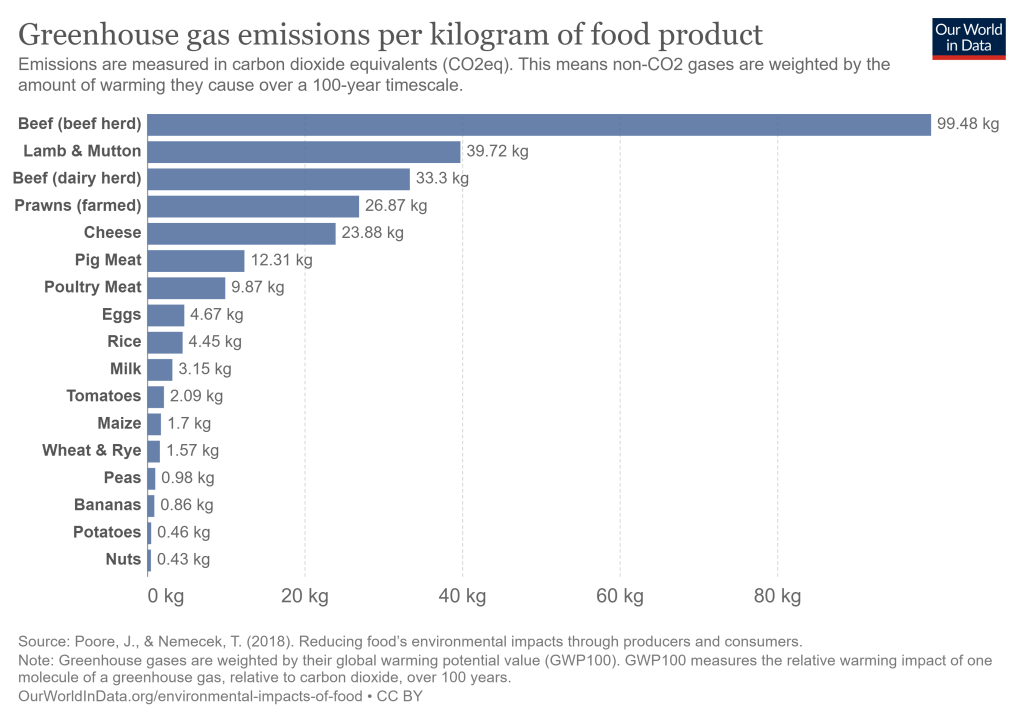
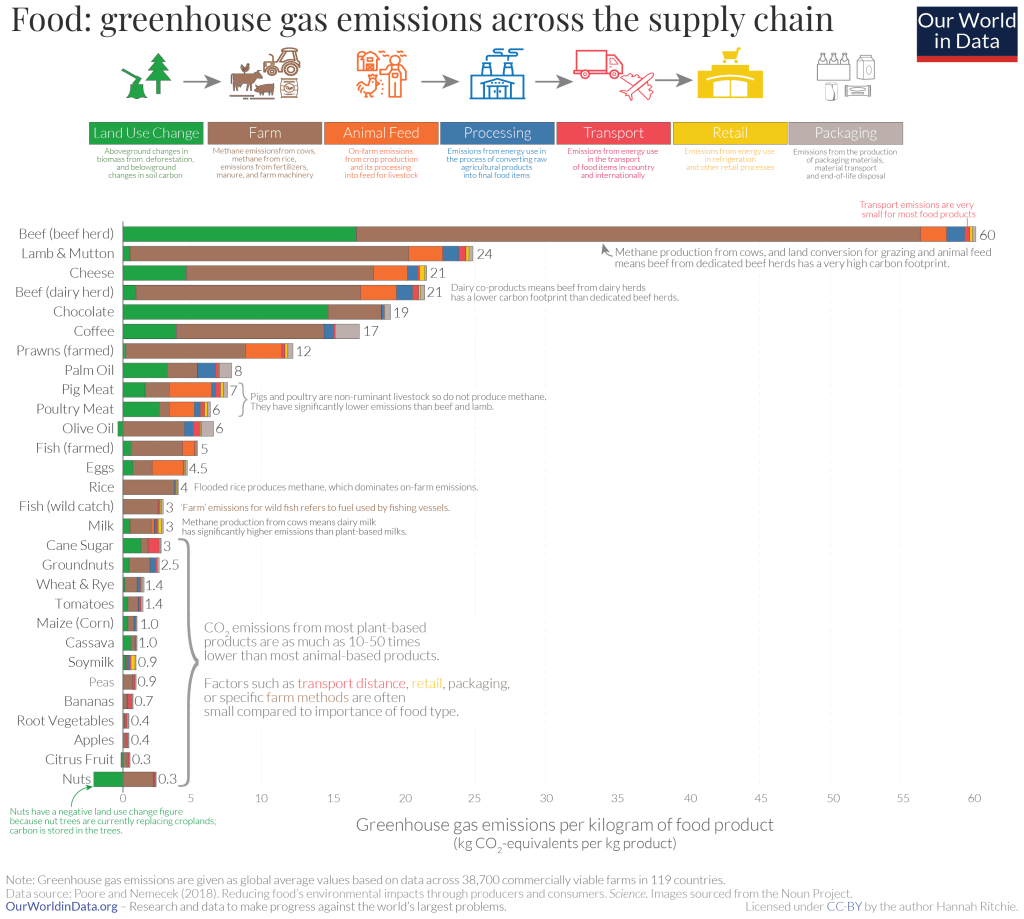
Almost 1/4th of greenhouse gas emissions is contributed by livestock and meat farming2. The maximum carbon footprint is generated by beef, with a CO2 equivalent of 99.5 kg greenhouse emission per kg of beef, followed by Lamb and mutton, seafood, cheese, pig meat and poultry. No wonder nature is retaliating with climate change and frequent natural disasters. If we continue this trend of overconsumption and ignorance for sustainable life alternatives, we shall soon face the brunt of nature in form of submerged cities, flood, drought, famine and diseases. We are, in a way creating our own doom.
Eutrophication by meat industry is also a concern. Eutrophication means the pollution of water bodies and land due to toxic levels of nutrients. In rearing livestock, a lot of waste material is generated which contains excessive amount of nitrogen and phosphorous, and increases toxicity in the water bodies and other ecosystems. This is a major concern because it affects the natural cycle of major chemical elements- Nitrogen, phosphorus and carbon.
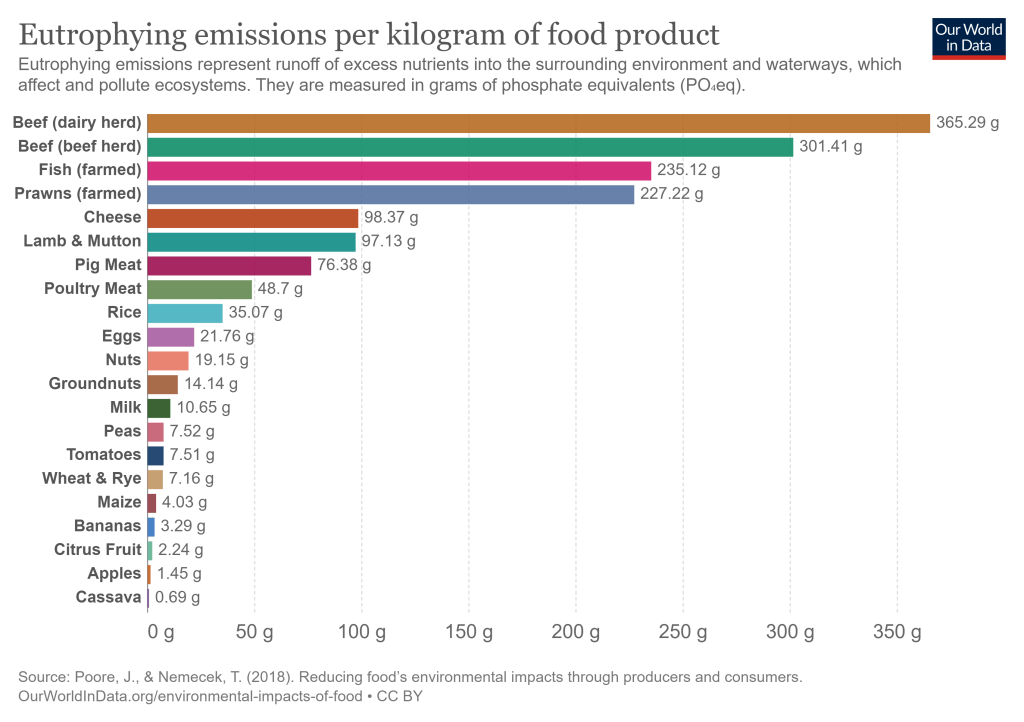
The cited data clearly shows the truth behind the meat consumption, for people who think that ill effects of meat consumption on earth is a hoax. That being said, there is also an element of compassion which human beings are endowed with. As we claim to be an intelligent species, we can very well guess how we have paced ourselves towards an inevitable doom, if we don’t act now. We shall be the culprit of our children we so dearly think about, if we turn a blind eye towards everything just for momentary pleasure. Now the ball is in your court. It is unto you if you want to save the doom.
References:
- Hannah Ritchie and Max Roser (2020) – “Environmental Impacts of Food Production”. Published online at OurWorldInData.org. Retrieved from: ‘https://ourworldindata.org/environmental-impacts-of-food'%5BOnline Resource]
- Hannah Ritchie and Max Roser (2017) – “Meat and Dairy Production”. Published online at OurWorldInData.org. Retrieved from: ‘https://ourworldindata.org/meat-production’ [Online Resource]
- IUCN. 2022. The IUCN Red List of Threatened Species. Version 2022-1. https://www.iucnredlist.org. Accessed on 25/09/2022.
- https://wwf.panda.org/discover/our_focus/biodiversity/biodiversity/
 renukaresearchlife.water.blog